Introduction
Becoming a successful digital marketer requires the right mix of skills, creativity, and continuous learning. In today’s fast-growing online world, businesses rely heavily on digital platforms to reach their target audience and increase sales. To succeed in this field, you must understand SEO, social media marketing, content creation, and data analysis. Staying updated with trends, practicing consistently, and building real-world experience are key steps. With dedication and smart strategies, anyone can build a rewarding career in digital marketing.
What is Digital Marketing?
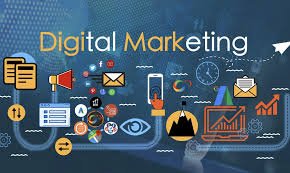
Digital marketing is the practice of promoting products, services, or brands using online platforms and digital technologies. It includes channels such as search engines, social media, email, websites, and mobile apps. Unlike traditional marketing, digital marketing allows businesses to target specific audiences, track performance in real time, and optimize campaigns based on data. It covers various activities like search engine optimization (SEO), social media marketing (SMM), content marketing, pay-per-click advertising (PPC), affiliate marketing, and email marketing. The main goal is to connect with potential customers where they spend most of their time—online. As the internet continues to grow, digital marketing has become essential for businesses of all sizes. Understanding the fundamentals of digital marketing is the first step toward becoming successful in this field, as it helps you learn how online visibility, engagement, and conversions work together to drive business growth.
Why Choose a Career in Digital Marketing?
Choosing a career in digital marketing offers exciting opportunities, flexibility, and long-term growth. As businesses shift online, the demand for skilled digital marketers continues to rise across industries. This field provides diverse career options such as SEO specialist, social media manager, content strategist, PPC expert, email marketer, and digital marketing manager. One of the biggest advantages is that you can start with minimal investment and even work as a freelancer or remote professional. Digital marketing also allows creativity, analytical thinking, and continuous learning, making it suitable for people with different interests and skills. Salaries in this field are competitive, and experienced professionals can earn significantly more with expertise and proven results. Moreover, digital marketing skills empower you to start your own business or personal brand. With global opportunities and constant innovation, it is one of the most promising career choices today.
What Skills Are Required to Become a Successful Digital Marketer?
To become a successful digital marketer, you need a combination of technical and soft skills. Technical skills include SEO knowledge, social media management, content creation, email marketing, PPC advertising, and basic understanding of analytics tools like Google Analytics. You should also know how to use tools such as Google Ads, Meta Ads Manager, keyword research tools, and content management systems like WordPress. Apart from technical expertise, communication skills are crucial because you must create compelling messages that attract and engage audiences. Creativity helps in designing campaigns, while analytical thinking allows you to measure performance and improve strategies. Time management and adaptability are equally important, as digital trends change rapidly. A growth mindset and willingness to learn continuously will keep you ahead of competitors. Mastering these skills step by step builds a strong foundation for long-term success in digital marketing.
How to Start Your Journey in Digital Marketing?
Starting your journey in digital marketing begins with learning the basics. You can enroll in online courses, watch tutorials, read blogs, and follow industry experts to understand key concepts. Begin with foundational topics such as SEO, content marketing, and social media marketing. After gaining theoretical knowledge, practice by creating your own blog, social media page, or small website. Experiment with keyword research, content writing, and basic advertising campaigns. Internships and freelancing projects are excellent ways to gain hands-on experience. Building a portfolio showcasing your work will increase your credibility and job opportunities. Networking with professionals through LinkedIn and online communities can also open doors to new opportunities. Consistency and practical implementation are key in the early stages. Instead of learning everything at once, focus on one skill at a time and gradually expand your expertise to build a strong career foundation.
Types of Digital Marketing You Should Know
Digital marketing includes several important types that every aspiring marketer should understand. Search Engine Optimization (SEO) helps websites rank higher on search engines and attract organic traffic. Social Media Marketing (SMM) focuses on promoting brands through platforms like Facebook, Instagram, LinkedIn, and Twitter. Content marketing involves creating valuable content such as blogs, videos, and infographics to engage audiences. Pay-Per-Click (PPC) advertising allows businesses to run paid ads on search engines and social media. Email marketing helps maintain communication with customers through newsletters and promotional messages. Affiliate marketing enables individuals to earn commissions by promoting products. Influencer marketing leverages popular personalities to promote brands. Understanding these types helps you choose a specialization or combine multiple strategies for better results. A successful digital marketer often has knowledge of all these areas and knows how to integrate them effectively.
How to Build Practical Experience in Digital Marketing?
Practical experience is essential to become a successful digital marketer. Start by creating your own website or blog to practice SEO, content creation, and analytics tracking. Run small advertising campaigns with a limited budget to understand audience targeting and performance metrics. Offer your services to small businesses, startups, or local shops to gain real-world exposure. Freelancing platforms provide opportunities to work with different clients and industries. Internships, whether paid or unpaid, also help you learn professional workflows and campaign management. Analyze successful brands and study their strategies to understand what works in the market. Regularly monitor campaign results and optimize them to improve outcomes. Building case studies based on your projects will strengthen your portfolio. Hands-on learning not only boosts confidence but also helps you develop problem-solving skills, which are crucial for long-term success in digital marketing.
Tips to Become a Successful Digital Marketer
To become a successful digital marketer, focus on continuous learning and adaptability. Stay updated with industry trends, algorithm changes, and new marketing tools. Develop strong analytical skills to interpret data and make informed decisions. Always prioritize understanding your target audience, as effective marketing is built on customer needs and behavior. Create high-quality, valuable content that builds trust and engagement. Test different strategies and optimize campaigns based on performance results. Networking with industry professionals can provide insights and career opportunities. Time management and consistency are essential for handling multiple projects effectively. Personal branding on platforms like LinkedIn can enhance your credibility. Most importantly, be patient and persistent, as success in digital marketing takes time and experimentation. By combining creativity, data-driven strategies, and dedication, you can build a strong and sustainable career in this competitive field.
How to Stay Updated with the Latest Digital Marketing Trends?
Staying updated with the latest digital marketing trends is crucial for long-term success. Follow trusted industry blogs, podcasts, and YouTube channels that share expert insights and updates. Subscribe to newsletters from platforms like Google, HubSpot, and social media networks to receive official announcements. Participate in webinars, workshops, and online conferences to learn from experienced professionals. Join digital marketing communities on LinkedIn and Facebook where marketers discuss new strategies and tools. Experiment with emerging technologies such as AI tools, automation software, and new advertising features. Regularly analyze competitors to understand current market trends. Continuous learning through advanced courses and certifications also keeps your skills relevant. Digital marketing is constantly evolving, so maintaining curiosity and adaptability ensures that you remain competitive and capable of delivering effective marketing strategies in any changing environment.